Telecom Tower Power Solutions for remote tower sites:…

SOLARTODO Editorial Team
Solar Energy & Infrastructure Expert Team
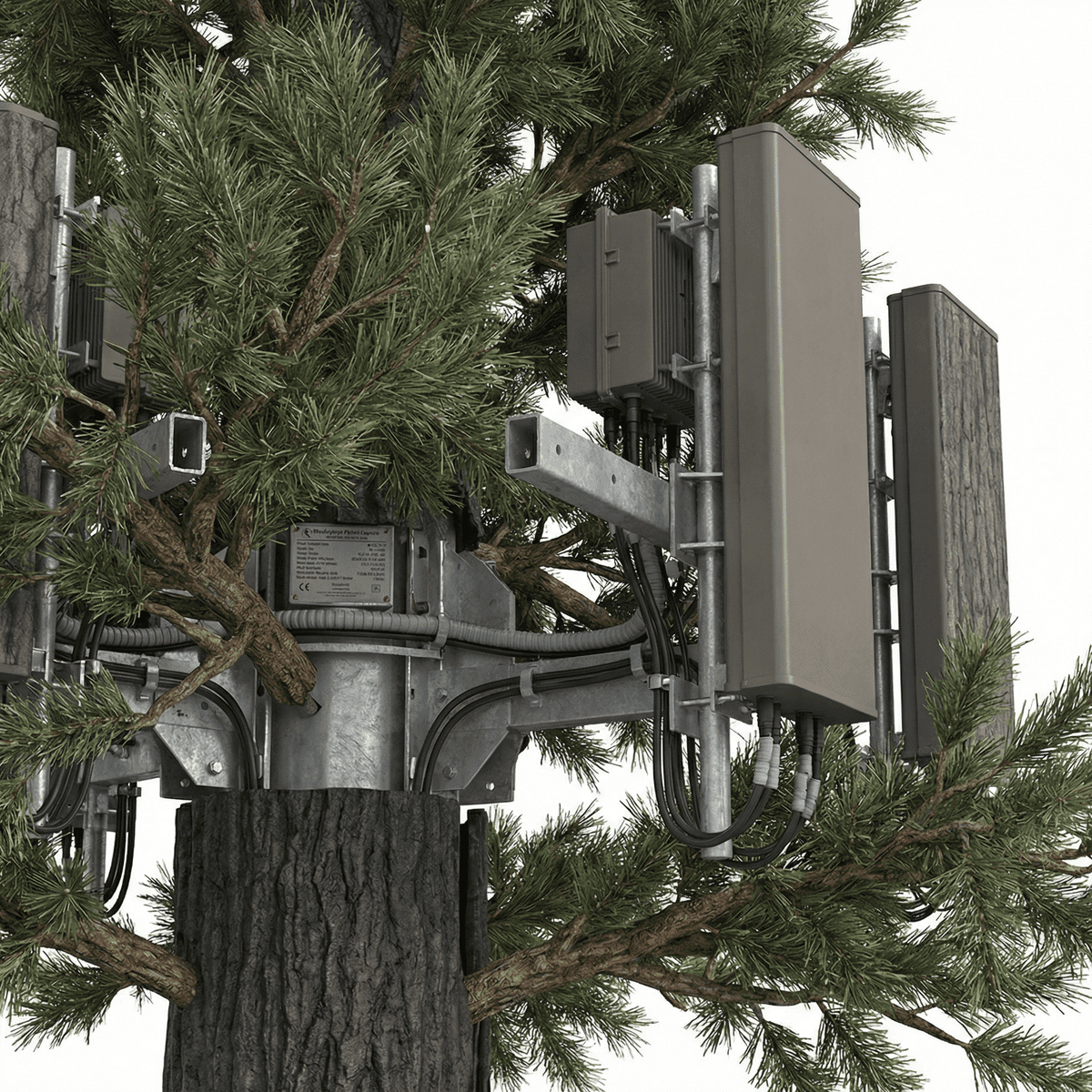
Watch the video
TL;DR
For remote telecom tower sites, the most effective way to reduce noise pollution and fuel cost is a solar-battery-diesel hybrid power system. Properly sized systems for 2-8 kW continuous loads can cut generator runtime by 50-85%, reduce fuel use by 30-70%, and often achieve payback in 2-5 years, especially where diesel delivery is expensive or difficult.
Hybrid telecom tower power systems cut diesel runtime by 50-85%, reduce generator noise from roughly 75-95 dB operation to low-noise battery mode for many hours, and often deliver 2-5 year payback on remote sites with 2-8 kW continuous loads.
Summary
Hybrid telecom tower power systems cut diesel runtime by 50-85%, reduce site noise from about 75-95 dB at 7 m to near-inverter levels during battery mode, and often deliver 2-5 year payback for remote sites with 24/7 loads of 2-8 kW.
Key Takeaways
- Replace diesel-only operation with solar-battery-diesel hybrid systems to cut generator runtime by 50-85% on remote telecom tower sites with 2-8 kW continuous loads.
- Size battery autonomy for 8-24 hours to reduce nighttime generator starts, lower acoustic events, and stabilize DC bus performance for critical telecom equipment.
- Use solar arrays in the 5-20 kWp range for off-grid or weak-grid sites to offset 30-70% of annual diesel fuel consumption, depending on irradiance and load profile.
- Specify inverter and rectifier architecture with 48 VDC or hybrid AC-coupled design and conversion efficiency above 95% to reduce fuel waste and heat losses.
- Compare monopole and shared-pole power needs early; a 15 m suburban 4G site and a 40 m industrial monopole can have different auxiliary loads, battery reserve targets, and logistics costs.
- Apply remote monitoring for fuel level, battery SOC, rectifier alarms, and genset runtime to reduce maintenance visits by 20-40% and improve service response time.
- Evaluate EPC pricing in three tiers—FOB, CIF, and turnkey EPC—and use volume discounts of 5%, 10%, and 15% for 50+, 100+, and 250+ site programs.
- Verify compliance with IEC, IEEE, UL, and telecom power standards so the power package supports 30-year tower structures while protecting radios, batteries, and grounding systems.
Why Remote Telecom Tower Power Solutions Matter
Remote telecom tower sites typically run 24/7 loads of 2-8 kW, and hybrid power systems can reduce diesel consumption by 30-70% while cutting generator noise events by more than half.
Noise pollution is not a minor side issue on remote tower projects. A conventional diesel generator commonly produces around 75-95 dB depending on enclosure, load, and measurement distance, while battery-backed operation can keep the site in a much lower acoustic profile during many operating hours. For communities near village edges, industrial compounds, mining camps, and protected corridors, that difference affects permitting, operating windows, and social acceptance.
Fuel logistics are equally important. A remote tower that burns diesel continuously can require frequent refueling over poor roads, seasonal tracks, or security-sensitive routes. Each fuel delivery adds transport cost, theft risk, spill exposure, and downtime risk. For B2B buyers, the real question is not only capex, but total cost of ownership over 5-10 years.
SOLAR TODO addresses this problem with telecom tower power solutions that combine solar PV, battery storage, rectifiers, controllers, and backup generators into one managed architecture. The objective is simple: keep radios, microwave links, and auxiliary loads online with fewer generator hours, lower fuel bills, and less site noise.
According to the International Energy Agency, “reliability and resilience of electricity supply are central to digital infrastructure performance.” That statement matters for telecom operators because even a short outage at a backhaul or macro site can affect coverage, SLA compliance, and customer churn. According to IRENA (2024), solar and storage continue to improve the economics of off-grid and weak-grid energy systems, especially where diesel transport costs are high.
System Architecture for Fuel Savings and Noise Reduction
A remote telecom tower power solution usually combines 5-20 kWp solar PV, 10-80 kWh battery storage, and a diesel generator sized to cover peak load plus charging reserve.
The technical goal is not to eliminate the generator in every case. The goal is to run it less often, at better load points, and for shorter periods. Diesel generators are inefficient when lightly loaded. If a site load is only 2.5 kW and the generator is rated 15 kVA, fuel is often wasted in low-load operation while noise remains high. A hybrid controller solves this by shifting base load to solar and batteries, then starting the generator only when battery state of charge or weather conditions require it.
Core power blocks
A typical remote tower power package includes:
- Solar PV array: 5-20 kWp depending on irradiance, load, and autonomy target
- Battery bank: 10-80 kWh, commonly lithium iron phosphate for cycle life above 4,000-6,000 cycles
- Rectifier system: telecom-grade DC supply, often 48 VDC architecture
- Inverter: used where AC loads, hybrid coupling, or site auxiliary systems require AC output
- Diesel generator: commonly 8-30 kVA depending on site load and charging strategy
- EMS/controller: manages dispatch logic, SOC thresholds, alarms, and remote telemetry
- Fuel tank and metering: supports runtime analysis and theft detection
- Grounding and surge protection: coordinated with tower earthing and lightning risk controls
Why batteries reduce noise directly
Battery storage does more than save fuel. It changes the daily acoustic profile of the site. If the battery provides 8-16 hours of autonomy, the generator can remain off during low-irradiance evening periods or overnight. That means no engine noise, no vibration, and fewer start-stop events. For sites near residences, schools, clinics, or ranger posts, this can be the deciding factor in project approval.
Why solar reduces fuel indirectly
Solar PV lowers daytime energy demand on the generator. A 10 kWp array in a strong solar resource area can produce enough daytime energy to support telecom load and recharge batteries for evening operation. According to NREL resource modeling methods, actual yield depends on irradiance, temperature, soiling, and system losses, but the principle is consistent: every kWh generated on-site is a kWh not produced by diesel.
The International Energy Agency states, “Solar PV is now one of the cheapest sources of electricity in many parts of the world.” For remote telecom sites, the comparison is even stronger because delivered diesel often costs much more than grid electricity after transport, handling, and security overhead are included.
Matching Power Design to Telecom Tower Types and Site Conditions
Power system sizing should follow tower load, tenancy plan, and site access constraints, because a 12 m shared pole and a 40 m monopole do not carry the same radio, microwave, and auxiliary demand.
The tower structure affects the power package indirectly through antenna count, microwave backhaul, obstruction lighting, security systems, cooling, and future tenancy. A low-height suburban 4G monopole may support 3 antennas with moderate DC demand, while a 40 m industrial-zone monopole with 12 antennas and 2 microwave dishes can require a much larger energy budget.
Example alignment with SOLAR TODO tower categories
SOLAR TODO supplies multiple telecom tower configurations, and the power design should match the site category:
- 15m Monopole Suburban 4G: a compact 15 m site with 1 platform and up to 3 antennas under 40 m/s wind conditions. Typical hybrid power focus is compact footprint, low acoustic impact, and fast installation.
- 40m Monopole Industrial Zone Coverage Slip-Joint: a 40 m site with 3 platforms, up to 12 antennas, and 2 microwave dishes under 50 m/s wind conditions. Typical power focus is higher load support, phased tenant growth, and larger battery reserve.
- 12m Distribution Telecom Shared Pole: a 12 m joint-use pole with 10 kV distribution and 1 antenna platform for up to 3 antennas under 40 m/s wind conditions. Typical power focus is coordinated grounding, clearance management, and dual-utility maintenance planning.
Sample deployment scenario (illustrative)
A remote macro site with 3.5 kW average telecom load, 12 kWp solar PV, 40 kWh battery storage, and a 15 kVA diesel generator may reduce generator runtime from near-continuous operation to 4-10 hours per day depending on season. That can cut annual fuel use by 50-75% if controller settings, battery dispatch, and preventive maintenance are managed correctly.
Comparison table for remote tower power options
| Power configuration | Typical continuous load | Generator runtime | Noise profile | Fuel use | Best use case |
|---|---|---|---|---|---|
| Diesel-only | 2-8 kW | 18-24 h/day | High, frequent engine noise | Highest | Emergency or very low-capex short-term sites |
| Battery + diesel | 2-8 kW | 6-16 h/day | Medium, fewer starts | Medium | Sites with poor solar resource or theft constraints |
| Solar + battery + diesel hybrid | 2-8 kW | 2-10 h/day | Low to medium | Lowest in off-grid class | Remote sites with good irradiance and high fuel logistics cost |
| Weak-grid + battery hybrid | 2-8 kW | 0-6 h/day backup | Low | Low | Unstable grid locations with frequent outages |
EPC Investment Analysis and Pricing Structure
For remote telecom sites, EPC turnkey delivery usually includes power design, equipment supply, civil interfaces, installation, commissioning, and remote monitoring setup for systems in the 2-8 kW load range.
B2B buyers usually compare three commercial layers before issuing a purchase order. The first is FOB Supply, which covers equipment ex-works or free on board, typically including PV modules, batteries, rectifiers, inverter, controller, generator, and mounting hardware. The second is CIF Delivered, which adds freight and insurance to the destination port. The third is EPC Turnkey, which includes engineering, procurement, construction, commissioning, and handover documentation.
What EPC turnkey delivery includes
A telecom tower power EPC package commonly includes:
- Load assessment for radios, microwave, cooling, security, and lighting
- Solar and battery sizing using site irradiance and autonomy targets
- Foundation and mounting interface review with tower compound layout
- Generator integration and automatic start-stop logic
- DC distribution, rectifiers, ACDB/DCDB, and protection coordination
- Grounding, surge protection, and lightning interface review
- SCADA or remote monitoring for SOC, alarms, fuel level, and runtime
- Site installation, testing, commissioning, and operator training
Three-tier pricing guidance
The exact price depends on load, autonomy, battery chemistry, logistics, and local labor. For procurement planning, buyers should structure budgets in three tiers:
| Pricing tier | What is included | Typical use |
|---|---|---|
| FOB Supply | Equipment only | Buyer has local EPC contractor and import capability |
| CIF Delivered | Equipment + freight + insurance | Buyer wants landed cost visibility before local installation |
| EPC Turnkey | Full design, supply, installation, commissioning | Buyer wants single-point execution and performance accountability |
Volume pricing and payment terms
For multi-site rollouts, SOLAR TODO can structure indicative volume discounts as follows:
- 50+ sites: 5% discount
- 100+ sites: 10% discount
- 250+ sites: 15% discount
Standard payment terms are:
- 30% T/T deposit + 70% against B/L
- 100% L/C at sight
For large projects above $1,000K, financing is available subject to project review, country risk, and buyer credit profile. For quotations and EPC discussions, contact [email protected] or call +6585559114.
ROI and payback logic
A diesel-only site has recurring fuel, transport, maintenance, and overhaul costs. A hybrid site shifts more spending into capex and reduces opex. Sample deployment scenario (illustrative): if a remote site cuts diesel consumption by 60%, annual savings can support a simple payback in roughly 2-5 years, depending on delivered fuel price, solar resource, battery cycle depth, and maintenance interval. The strongest business case usually appears where fuel delivery is difficult or where generators run below 40% load for long periods.
Installation, Operations, and Maintenance Best Practices
Remote telecom tower power systems achieve the best fuel savings when commissioning, controls, and maintenance are managed to the same standard as the radio equipment itself.
Poor commissioning can erase expected savings. If battery SOC thresholds are set too conservatively, the generator starts too often. If PV strings are undersized or shaded, daytime charging is weak. If fuel sensors are not calibrated, operators cannot verify actual savings or detect theft. For a 24/7 telecom site, these details matter every day.
Installation priorities
During installation, project teams should verify:
- Load audit accuracy within expected operating range, often 2-8 kW
- Battery room or cabinet thermal control within manufacturer limits
- Generator sizing against charging current and peak site demand
- Earthing resistance and lightning protection coordination with tower grounding
- Cable routing separation between power and telecom signal paths
- Alarm mapping to NOC or remote monitoring platform
Maintenance intervals
A practical maintenance plan includes monthly remote review, quarterly visual inspection, and annual electrical testing. Generator oil, filters, and coolant follow engine-hour schedules, while battery systems require SOC, temperature, and cycle tracking. PV arrays need cleaning frequency based on dust conditions; in arid sites, soiling can materially reduce output if left unchecked for several months.
Noise control measures beyond hybridization
Hybridization is the primary noise solution, but additional measures help:
- Acoustic generator canopy selection
- Anti-vibration mounts for genset skid
- Smart scheduling to avoid nighttime charging where possible
- Larger battery reserve to reduce short-cycle starts
- Proper exhaust routing and muffler maintenance
According to UL and IEC safety frameworks, enclosure integrity, electrical isolation, and thermal management are essential when batteries and generators share a compact telecom compound. That is why SOLAR TODO typically recommends treating power and tower packages as one integrated site design rather than two separate procurement lines.
FAQ
Q: What is the best power solution for a remote telecom tower site? A: The best option is usually a solar-battery-diesel hybrid system sized around the site’s 24/7 load, autonomy target, and fuel logistics cost. For many remote telecom loads in the 2-8 kW range, this setup cuts generator runtime by 50-85% and lowers both noise and maintenance compared with diesel-only operation.
Q: How much fuel can a hybrid telecom tower power system save? A: Fuel savings commonly range from 30% to 70%, and some well-optimized sites can do better in strong solar conditions. The final result depends on PV size, battery capacity, generator control logic, and whether the site load remains stable or grows with new tenants.
Q: How does battery storage reduce noise pollution at tower sites? A: Battery storage reduces noise by allowing the generator to stay off for 8-24 hours depending on system size and load. During battery operation, the site avoids engine noise, vibration, and repeated start-stop events, which is important near communities, clinics, schools, or protected areas.
Q: What battery size is typical for remote telecom tower applications? A: Many remote telecom sites use 10-80 kWh battery banks, with the exact size based on load and required autonomy. A site with a 3 kW average load and 12 hours of backup needs a very different battery design than a 6 kW multi-tenant site targeting 24 hours.
Q: Is diesel-only power still suitable for remote telecom towers? A: Diesel-only power is still used for temporary, emergency, or very low-capex deployments, but it usually has the highest operating cost over time. Continuous generator operation also increases acoustic impact, fuel theft exposure, service visits, and wear on the engine.
Q: What solar array size is common for telecom tower hybrid systems? A: A common range is 5-20 kWp for remote tower sites with continuous loads of 2-8 kW. The correct size depends on local irradiance, battery reserve target, available ground or canopy area, and whether the system is fully off-grid or only supporting a weak grid.
Q: How long is the payback period for hybrid tower power projects? A: Many projects achieve simple payback in about 2-5 years when diesel transport costs are high and generator runtime is heavily reduced. Sites with difficult access, security escorts, or seasonal road closures often show the strongest financial return because avoided fuel logistics costs are significant.
Q: What does EPC turnkey include for telecom tower power solutions? A: EPC turnkey usually includes load study, engineering, equipment supply, installation, commissioning, testing, and monitoring integration. In practical terms, the buyer receives one accountable delivery scope instead of coordinating separate vendors for PV, batteries, rectifiers, generator controls, and site works.
Q: What are the standard payment terms and financing options? A: Standard terms are 30% T/T and 70% against B/L, or 100% L/C at sight. For larger programs above $1,000K, financing may be available subject to project review, and buyers can contact [email protected] for commercial structuring.
Q: How do tower type and antenna count affect power design? A: Tower type affects power design through radio count, microwave backhaul, obstruction lighting, security systems, and future tenancy. A 15 m monopole with 3 antennas usually needs less energy reserve than a 40 m industrial monopole carrying 12 antennas and 2 microwave dishes.
Q: What maintenance practices protect fuel savings over time? A: The most important practices are remote monitoring, battery health checks, generator service by engine hours, and PV cleaning based on dust conditions. If alarms, SOC thresholds, and fuel metering are not maintained, the system may run the generator too often and lose expected savings.
Q: Why work with SOLAR TODO on telecom tower power projects? A: SOLAR TODO can align tower structure supply and remote-site power design in one B2B workflow, which reduces interface risk during procurement and installation. That matters for projects using monopoles, shared poles, or industrial-zone towers where grounding, compound layout, and future tenancy must be considered together.
References
- [IEA] (2024): Energy and digital infrastructure assessments emphasizing reliability and resilience requirements for communications networks.
- [IRENA] (2024): Renewable Power Generation Costs and off-grid economics showing improved competitiveness of solar and storage versus fossil generation in many use cases.
- [NREL] (2024): PV performance modeling methods and solar resource tools used to estimate array output, losses, and site-specific energy yield.
- [IEEE 1562] (2007): Guide for array and battery sizing in stand-alone photovoltaic systems, relevant to remote hybrid system design logic.
- [IEEE 946] (2020): Recommended practice for design of DC auxiliary power systems, useful for telecom-style battery and DC bus planning.
- [IEC 62124-1] (2017): Photovoltaic stand-alone systems design verification standard applicable to off-grid and hybrid performance checks.
- [UL 1973] (2022): Safety standard for batteries for use in stationary applications, relevant to telecom site energy storage systems.
- [IEC 60826] (2017): Design criteria for overhead lines, relevant where shared-pole or utility corridor conditions affect structural and electrical coordination.
Conclusion
Hybrid telecom tower power solutions reduce diesel runtime by 50-85%, lower site noise substantially, and often return investment in 2-5 years where fuel delivery is expensive. For remote sites with 2-8 kW continuous demand, SOLAR TODO recommends a solar-battery-diesel architecture sized to actual load, autonomy, and access conditions rather than a generator-only approach.
About SOLARTODO
SOLARTODO is a global integrated solution provider specializing in solar power generation systems, energy-storage products, smart street-lighting and solar street-lighting, intelligent security & IoT linkage systems, power transmission towers, telecom communication towers, and smart-agriculture solutions for worldwide B2B customers.
About the Author

SOLARTODO Editorial Team
Solar Energy & Infrastructure Expert Team
SOLAR TODO is a professional supplier of solar energy, energy storage, smart lighting, smart agriculture, security systems, communication towers, and power tower equipment.
Our technical team has over 15 years of experience in renewable energy and infrastructure, providing high-quality products and solutions to B2B customers worldwide.
Expertise: PV system design, energy storage optimization, smart lighting integration, smart agriculture monitoring, security system integration, communication and power tower supply.
Cite This Article
SOLARTODO Editorial Team. (2026). Telecom Tower Power Solutions for remote tower sites:…. SOLARTODO. Retrieved from https://solartodo.com/knowledge/telecom-tower-power-solutions-for-remote-tower-sites-solving-noise-pollution-with-fuel-savings
@article{solartodo_telecom_tower_power_solutions_for_remote_tower_sites_solving_noise_pollution_with_fuel_savings,
  title = {Telecom Tower Power Solutions for remote tower sites:…},
  author = {SOLARTODO Editorial Team},
  journal = {SOLARTODO Knowledge Base},
  year = {2026},
  url = {https://solartodo.com/knowledge/telecom-tower-power-solutions-for-remote-tower-sites-solving-noise-pollution-with-fuel-savings},
  note = {Accessed: 2026-10-15}
}
Published: April 27, 2026 | Available at: https://solartodo.com/knowledge/telecom-tower-power-solutions-for-remote-tower-sites-solving-noise-pollution-with-fuel-savings
Subscribe to Our Newsletter
Get the latest solar energy news and insights delivered to your inbox.
View All Articles